Beet Growing Problems - Troubleshooting Common Beet Issues
Beet growing bug are and so numerous, they can be off-putting for some gardeners. Although beet plants are easy to grow, it'due south usually caring for them that can be challenging. Equally you might expect from a sweet and juicy plant, it's a natural magnet for many pests and pathogens.
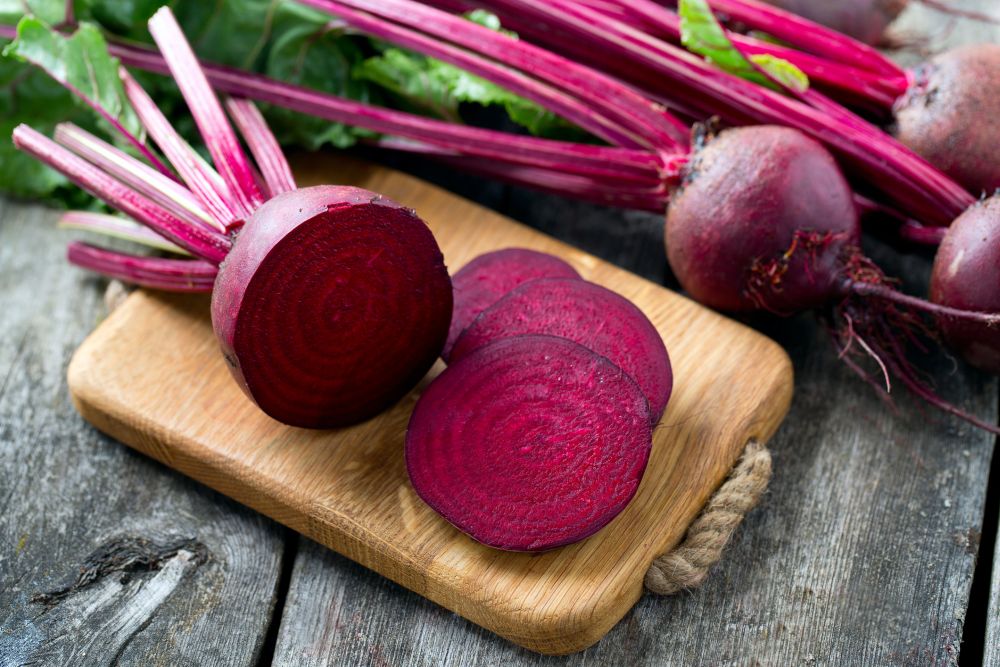
We put together a list of the nigh common beet growing bug and what y'all tin do about them. Some similar beet bolting are easy to deal with, while others tin be detrimental to the whole ingather. But with little patience and experience, yous can get your beet plants safely to the harvesting stage.
Beet Growing Problems: Beets Are Not Sweet
A regular complaint that one hears often from beet farmers is that the beets are not sweet. Believe it or non, this is one of the common beet growing problems that gardeners confront also. Even though the beet looks healthy and is of average size, it lacks the tastes and flavors unremarkably associated with beets. Now the error might be in the variety you chose to grow. Some beet varieties are sweeter than others. Simply some other cause might be the soil itself or inadequate watering practices. So what can you practice to make your beets taste sweeter than the proverbial love?
How to Set Information technology
I of the best ways to brand sure your beets are as sweet as expected is to ensure that your beet plants are not stressed with drought, besides much h2o, or overloaded with fertilizer. Here are a few steps you tin do to take care of the lack of sugar concentrations in the beets.
- Beet Diverseness: If you lot're a fan of sweetness beets, then choose a diversity known for its actress sweet fruits. Some of the most popular beet varieties include Formanova, Lutz Greenleaf, Chioggia, Gilt, Merlin, and Detroit Dark Red.
- Fertilizer: Since beets thrive in rich soil, you need to keep them well-fed throughout their life. But in that location'southward a difference betwixt side dressing your beet plants with chemical fertilizers and organic materials. Experienced gardeners know that organic compost, anile manure, and homemade fertilizers yield sweeter beets. And then avoid chemic fertilizers and get organic.
- Watering: Beet plants are notoriously averse to unbalanced watering and drought. If the plants are subjected to long bouts of drought, they'll develop white rings and lose their season and sweetness.
Beet Bolting

Many veggies are to be harvested young. Whether you grow them for their succulent leaves or juicy roots, the concluding affair you'd desire is to go out them until they bloom. Because once the veggie flowers or bolts, it loses all flavor, tenderness, and taste. The constitute focuses its resources on the flowers and developing seeds at the cost of growing new leaves or fattening up its roots. This is why bolting is one of the beet growing bug y'all should avert.
The principal causes of beet bolting are high temperatures and picking the wrong fourth dimension to plant the veggie. Equally a moderate climate veggie, you should do your best to start the constitute early so that it matures earlier the temperature reaches its tiptop in the summertime.
How to Set up It
To avoid your beets going to seed before y'all have a chance to harvest them, you should get your timing correct. If you accept a short spring and the weather warms upward also fast, then start the beet seeds indoors. Experts recommend starting them nigh three weeks before the last frost. As the atmospheric condition improves, accept the seedlings out to go them adapted to the outdoors.
When the soil temperature reaches lx degrees F, y'all're ready to transplant the seedlings to the garden. If the temperature rises in a higher place 80 degrees, that could trigger the beets to bolt. So you lot might need to grow them in containers and bring them inside when the atmospheric condition gets also hot.
Stressing the plant could also trigger bolting. So avoid exposing information technology to long bouts of drought Equally for fertilizing, use a custom x-5-10 fertilizer that's high in nitrogen and depression in phosphorus.
Beet Growing Bug: Curly Height Of Beet Plants

The dark-green leaves of the beet plants are edible likewise. Just even if you lot don't similar to consume them, they nevertheless serve as an indication of how healthy the beet roots are. And so when you see the leaves looking crinkly, stunted, or plain-featured, that should raise red flags. These are all signs of the curly top affliction which is a lethal infection and ranks at the top of the common beet growing problems.
Besides affecting the health and growth of the leaves, the virus that causes curly acme also interferes with the root of the plant stunting its growth and diminishing its taste and flavors. Beet leafhopper is the pest that spreads this virus and so controlling pests can be a good offset to preclude this affliction.
How to Fix It
As we mentioned, the curly top is a fatal disease that amercement the whole beet crop. Unfortunately, there's no cure or treatment for information technology, so the best manner to handle it is to forestall it. Hither's what you need to do.
- Plants beets in shady areas since leafhoppers are attracted to sunny spots.
- Choose illness-resistant beet diverseness to increase the chances of a successful crop.
- Leafhoppers spend the winter among weeds as they look for the jump. So removing weeds in the garden is a skilful way to eliminate these pests.
- Immature beets are more vulnerable to curly top disease than mature ones. It's best to protect the young bulb with a cover to prevent leafhoppers from infecting them.
- Uproot infect beet plants and fire them in a remote spot to avoid the spread of the disease to the residual of the patch.
Beet Growing Bug: Beet Plant Wilting
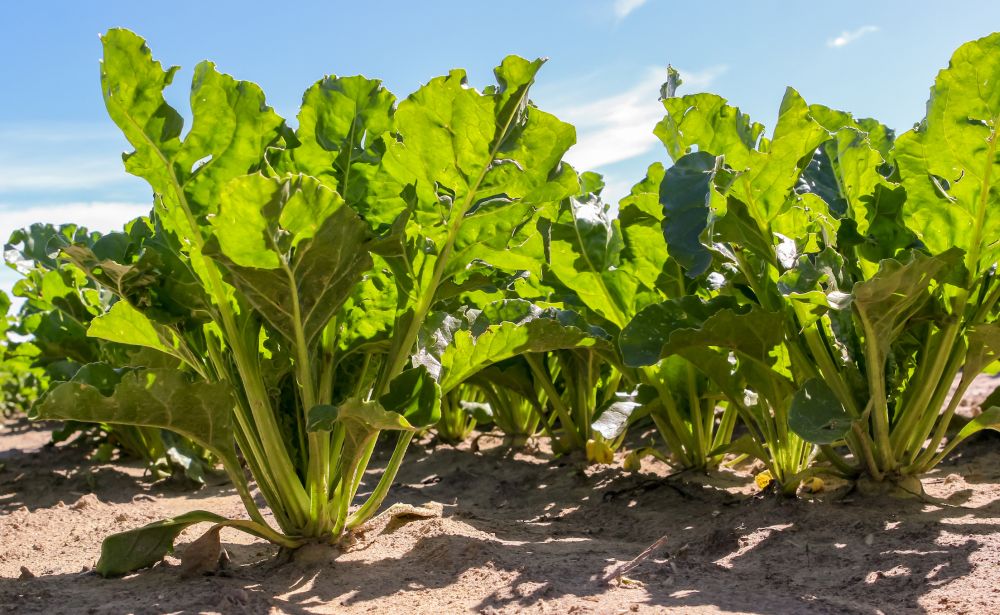
Wilting is ane of those beet growing problems that are hard to pinpoint the cause of. For no apparent reason at all, your healthy beet seedlings might kickoff to wilt and fall over each other. The causes vary from strong winds and bad adaptation to outdoor weather condition to pests and diseases. So to save your beet plants, yous'll demand to examine them carefully and rule out every one of those causes until you figure out the real culprit.
How to Set up It
Since the causes of beet plant wilting are varied, we'll list them below with the best ways to bargain with them.
- Lighting: Poor lighting can cause the seedlings to become leggy. This entails the overgrown stem getting as well weak to back up the weight of the leaves which causes wilting. So brand sure the seedlings take enough light until y'all transplant them outdoors.
- Wind: Potent wind tin also cause the seedlings to autumn over nether pressure level. And so protect the beet seedlings by planting them in a sheltered area.
- Pests: Many pests that attack beets can cause wilting. Aphids, flea beetles, and leafhoppers are three such pests. Use neem oil spray to get rid of them and keep the garden clean and weed-free to discourage the pests from multiplying.
- Diseases: Root rot, curly summit, crown rot, and verticillium wilt are some of the diseases that cause beet rot. Proper watering, pest control, and planting disease-resistant variants are the all-time ways to avoid these diseases.
Beet Armyworm Command

Beet armyworms are hardy caterpillars that feed on the leaves of beet plants and wreak havoc with the whole crop. Unlike other caterpillars, armyworms have two distinguishing features. The get-go is they have a yellow line on their back. The 2nd is that they are resistant to almost insecticides which makes them hard to impale. As for their appearance, they expect similar they're dressed in army fatigues which explains the name.
Found usually in warmer zones in the southern parts of the state, armyworms feed on the beet foliage and leave behind skeletons of the leaves. This can dramatically bear on the growth of the plant and the health of the crop. As usual, prevention is better than treating the most difficult of beet growing problems.
How to Fix It
Armyworms take shown remarkable resistance to virtually pesticides available to gardeners. That makes them hard to become rid of. If left untreated, these voracious caterpillars can go through your whole beet patch in a matter of days. Hither are a few ways to deal with beet armyworm infestation.
- Identify the eggs of the moths on the leaves. They're usually covered with fluffy white cloth. Remove the eggs and wipe the leafage with a swab soaked in rubbing booze.
- Choice the caterpillars past hand and drown them in a saucepan full of a mixture of water and detergent. Dispose of the dead armyworms safely.
- Use neem oil spray to eliminate the caterpillars. It's the only insecticide that works confronting them.
- Some gardeners have reported getting successful results with insecticides such as spinosad and Bacillus thuringiensis. You should use them with caution and as a supplement to the other manual eradication methods mentioned above.
Beet Growing Problems: Beet Cercospora Spot
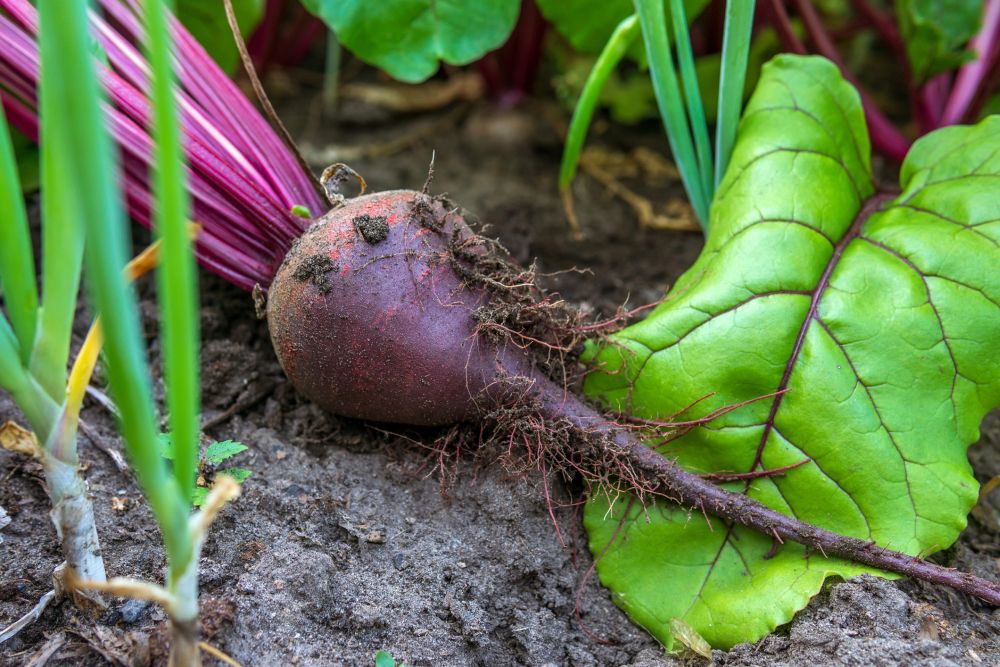
The leaves of beets have ornamental values. So when the foliage shows signs of damage, you lot have every right to be concerned. Beet Cercospora spot is i of those beet growing issues that are across control. You lot could be doing everything right, then the fungal spores infect the leaves and harm the roots. It's just 1 of those hazards that yous take to be prepared for.
Luckily beet Cercospora spot symptoms are easy to place. As the name implies, yous will see small-scale round spots on the leaves with purple edges. The spots volition grow and increment over fourth dimension every bit the spores multiply. Without immediate treatment, the infection tin can spread to the rest of the plants and reduce your crop considerably.
How to Fix It
The earlier y'all notice the signs of the beet Cercospora spot, the meliorate your chances of saving the beet ingather and reducing the damage. And since this fungus is known to develop a resistance to fungicides quickly, yous'll need to get creative when combating heavy infestations.
- Rotate your planting spots and then that you don't plant beets in the same surface area 2 years in a row. Experts recommend giving the soil a three-yr break betwixt crops because that's how long the spores volition remain in the soil.
- Employ more than one fungicide throughout the season to treat the beet Cercospora spot. Some recommended commercial fungicides include tetraconazole, triphenyltin hydroxide, and pyraclostrobin. Use them in different rotations and spray the plants to forestall the fungal spores from developing immunity to 1 fungicide.
- Detect the early signs of the fungal infection chop-chop and remove infected leaves and burn them. If one plant is heavily infected, then uproot it to prevent the spread of the highly infectious spores to other healthy plants in the beet patch.
Source: https://www.diys.com/beet-growing-problems/
0 Response to "Beet Growing Problems - Troubleshooting Common Beet Issues"
Post a Comment